By Sanjeet Kumar, Executive Director, BKFPCL · Updated · 2 min read
Key takeaways
Neither grain simply beats the other: they are good at different things.
Ragi, jowar and bajra are naturally gluten-free; wheat contains gluten.
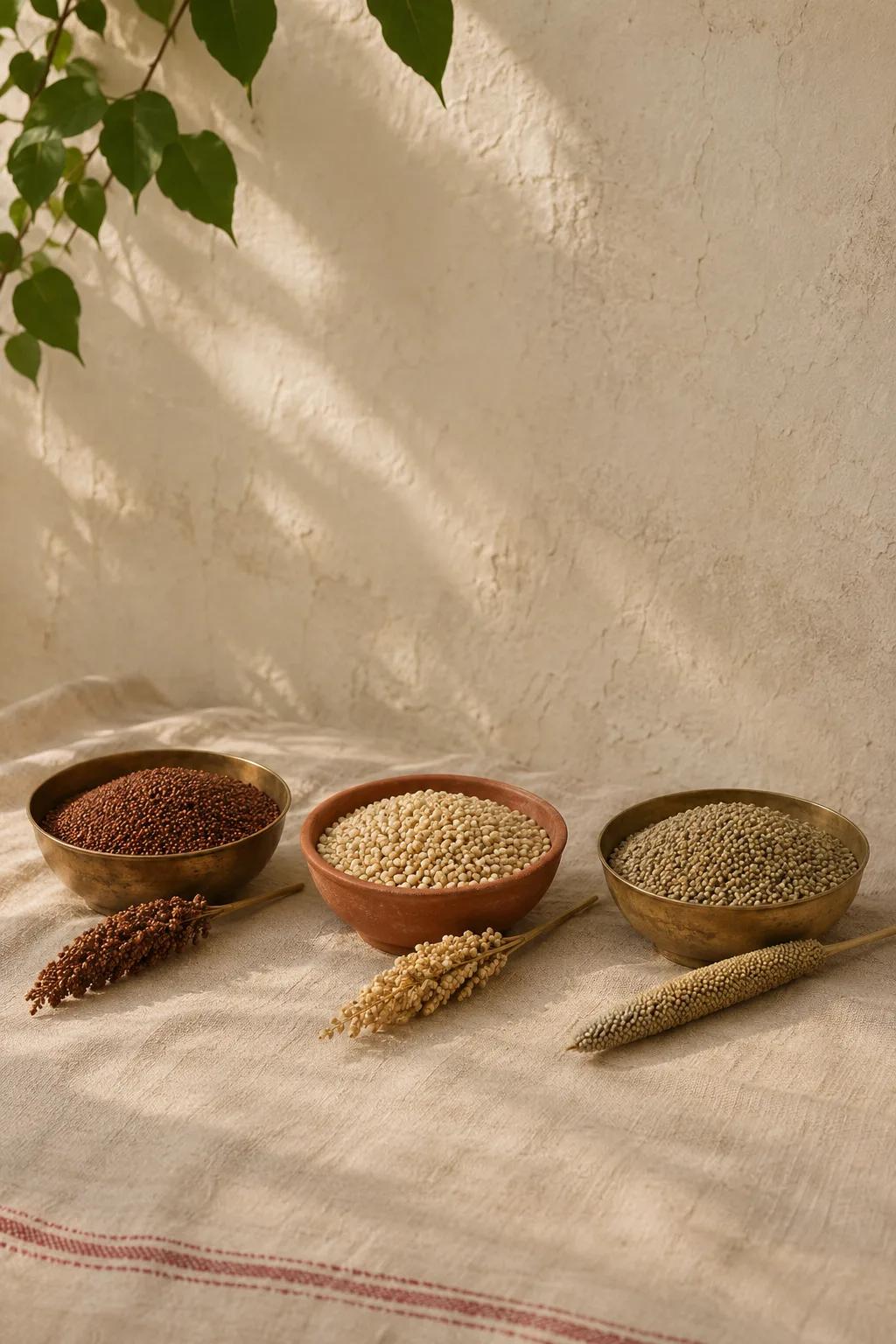
Ragi is one of the richest cereal sources of calcium and bajra is rich in iron; whole wheat gives more protein than ragi.
A blend of wheat and millet flour is a common compromise for baking.
Gluten
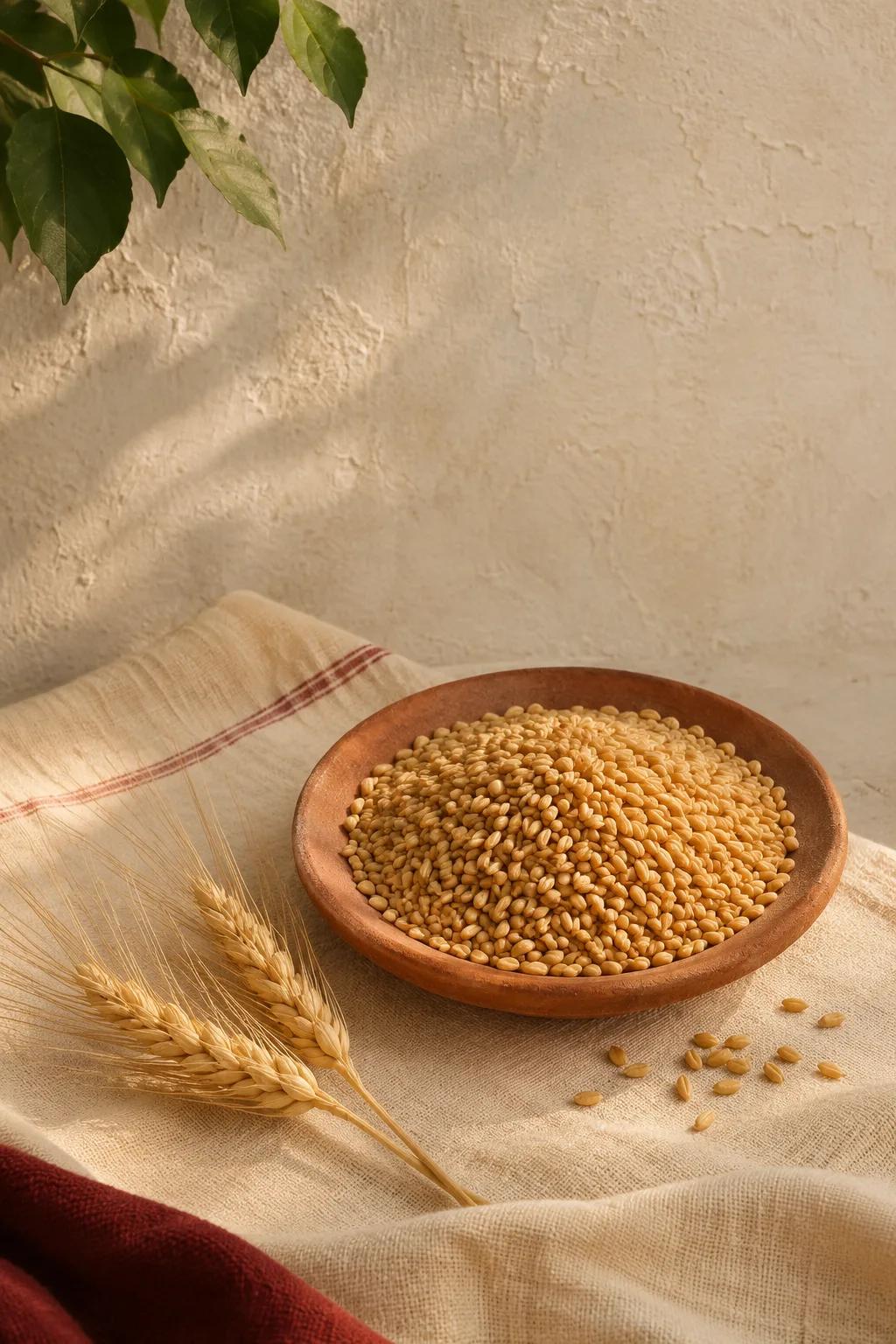
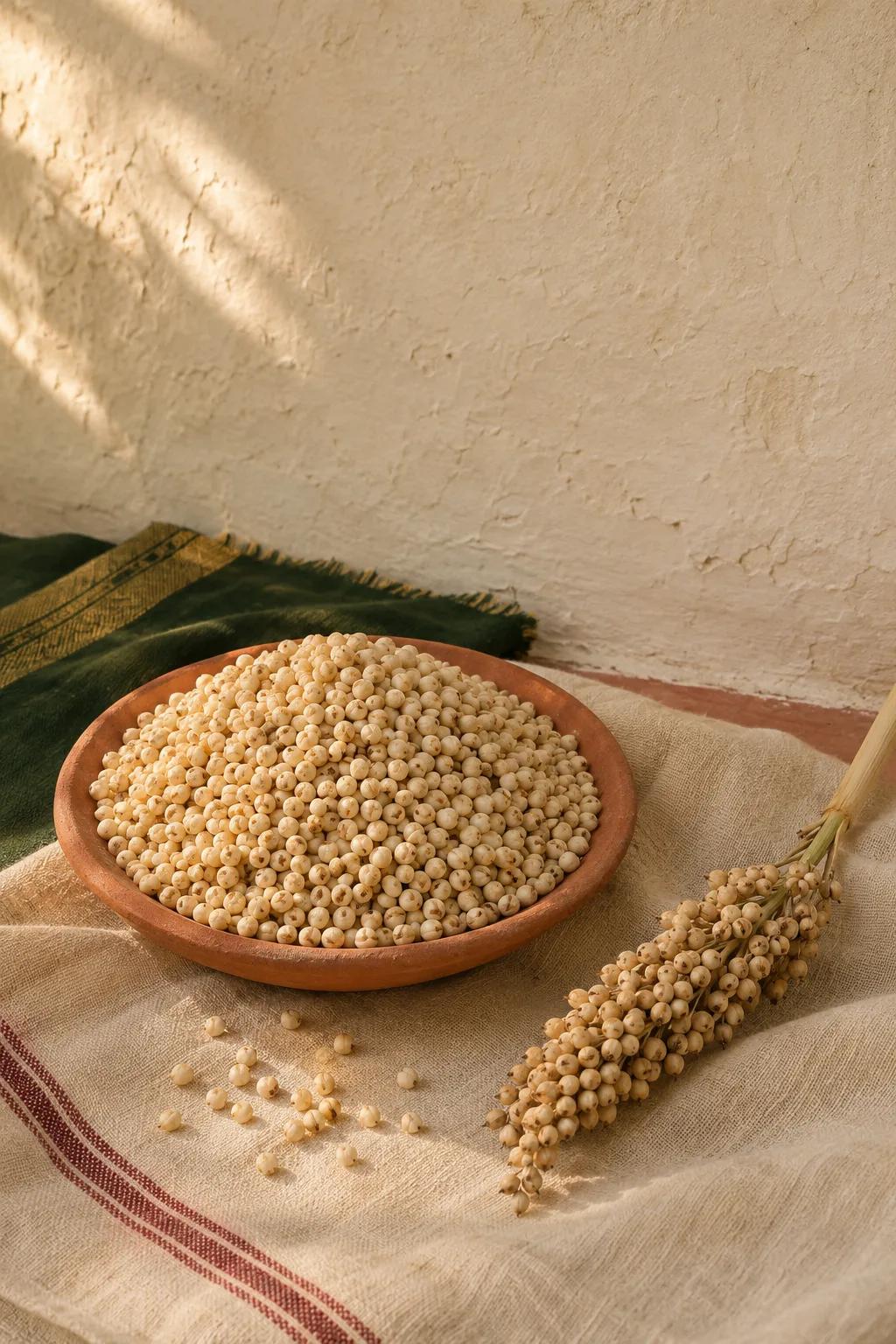
Wheat contains gluten, which gives dough its stretch. Ragi, jowar and bajra are naturally gluten-free, which is why they suit gluten-free recipes and ranges.
Minerals and protein
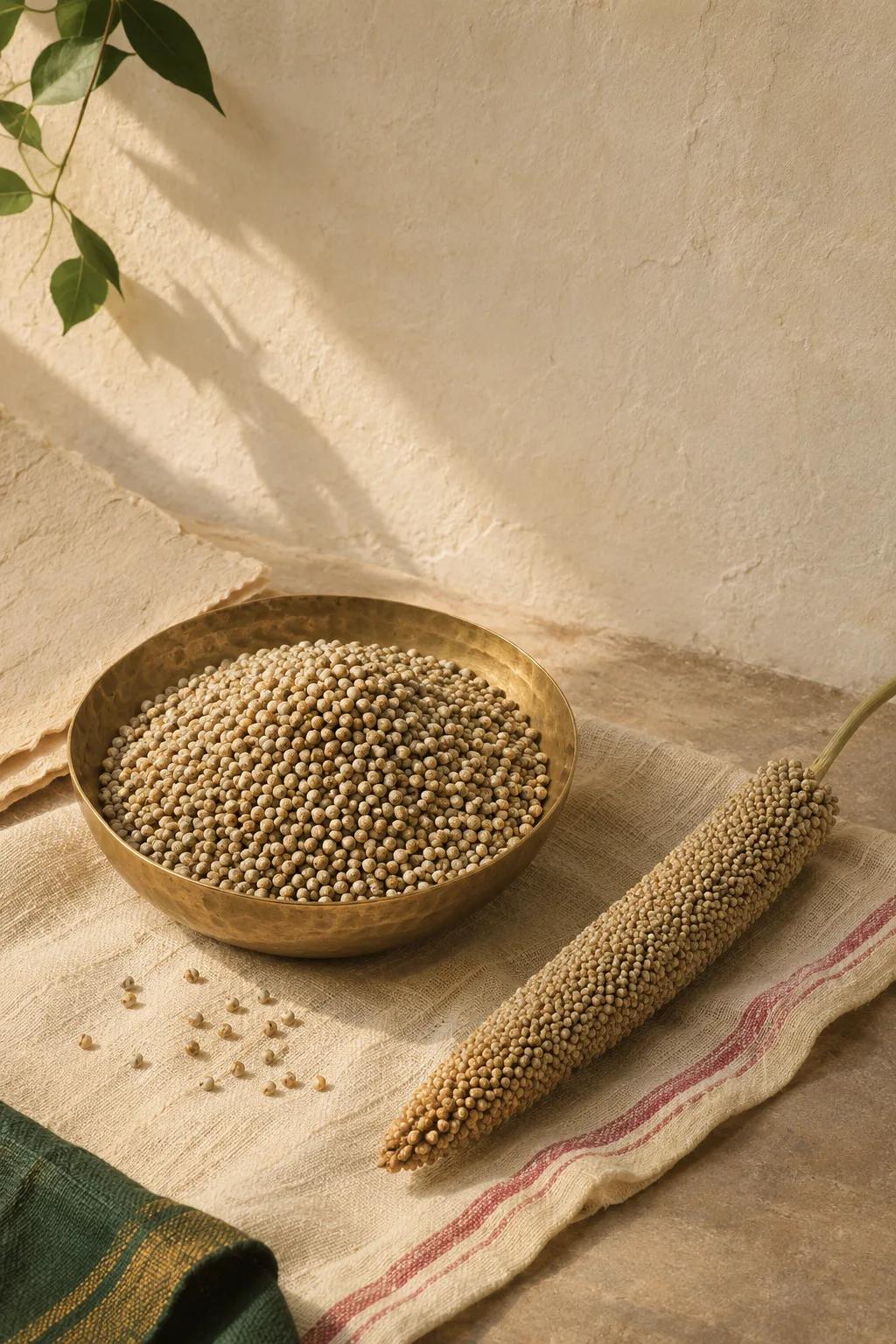
Ragi is one of the richest cereal sources of calcium, and bajra is a rich source of iron. Whole wheat gives more protein than ragi and is a familiar, everyday staple.
Per 100 g, indicative
Protein
Standout
Ragi
about 7 g
calcium, about 340 mg
Jowar
about 10 g
fibre and iron
Bajra
about 11 g
iron
Whole wheat
about 11 g
familiar, versatile
Fibre and flavour
Whole grains of either kind keep their fibre, and millets add earthy, nutty flavours that wheat lacks. For baking, a blend of wheat and millet flour is a common compromise.
They differ rather than compete. Millets bring gluten-free options and minerals such as calcium and iron; whole wheat brings familiar taste and more protein. Many diets use both.
Can I bake with millet flour alone?+
It is hard, because millets have no gluten to hold the dough. Most bakers blend millet flour with wheat flour, or use binders in gluten-free recipes.
 TM