By Sanjeet Kumar, Executive Director, BKFPCL · Updated · 2 min read
Key takeaways
Keep everything cool, dry, off the floor and away from strong smells.
Flour keeps less long than whole grain or pulses, so buy it in packs you will use quickly.
Use the oldest stock first, and check each delivery before you accept it.
Keep oil cool, dark and closed; store flaxseed oil cool and use it soon.
The basic rules
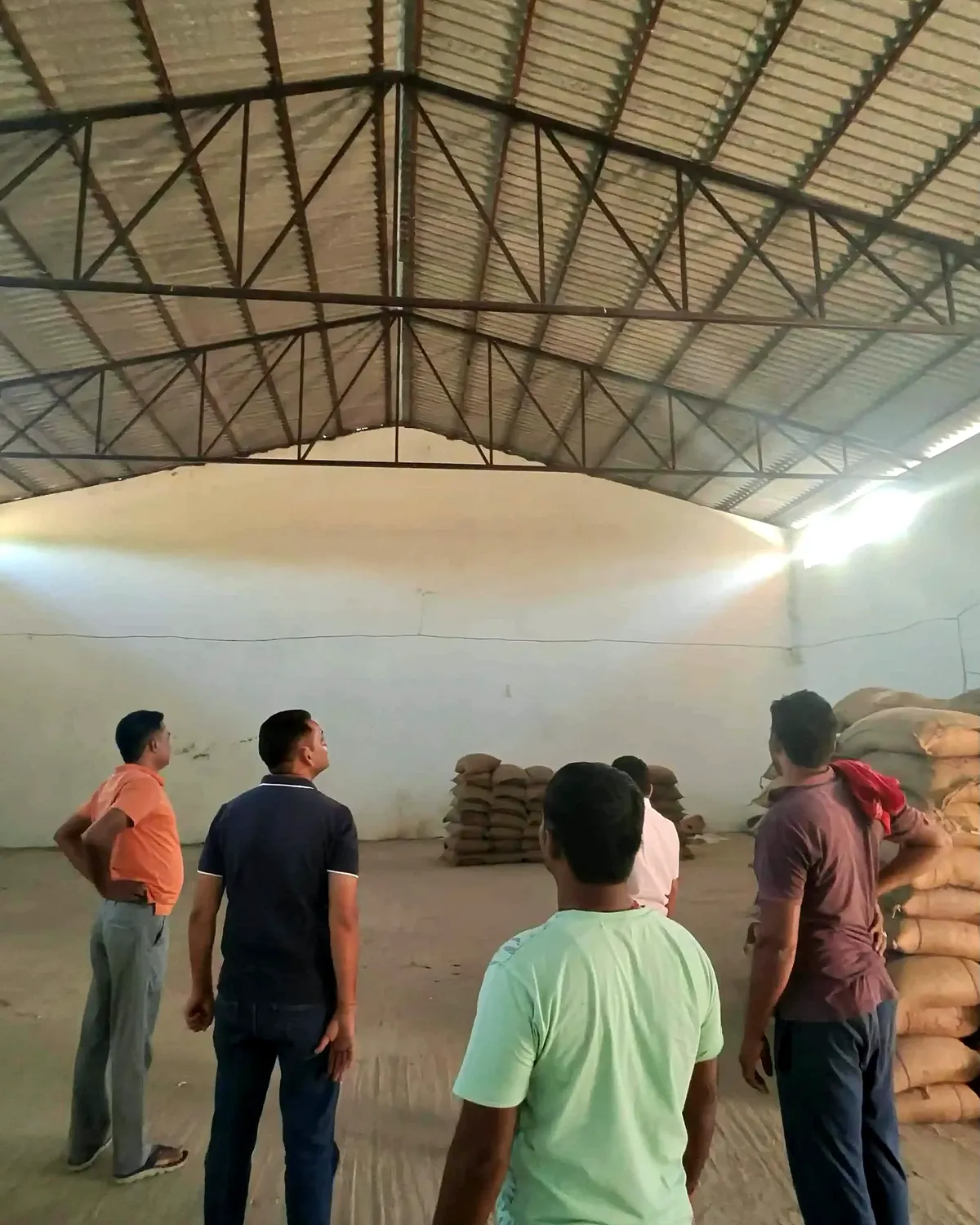
Store in a cool, dry, well-ventilated room.
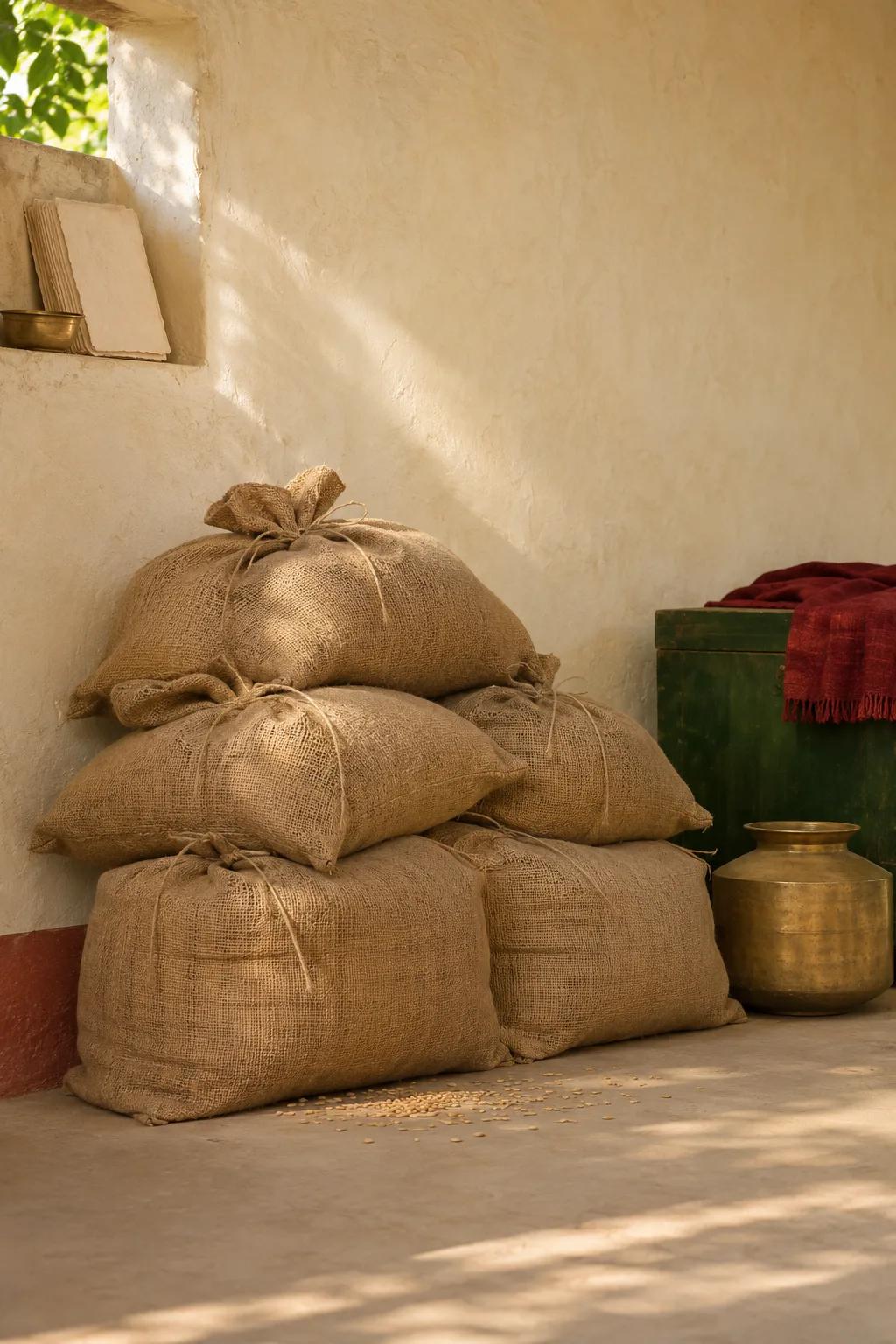
Stack sacks on pallets or planks, not directly on the floor, and a little away from the wall.
Keep stock away from strong-smelling goods; grain takes up smells.
Keep the room clean and swept; spilled grain attracts pests.
Use the oldest stock first and label each lot with its delivery date.
Flour
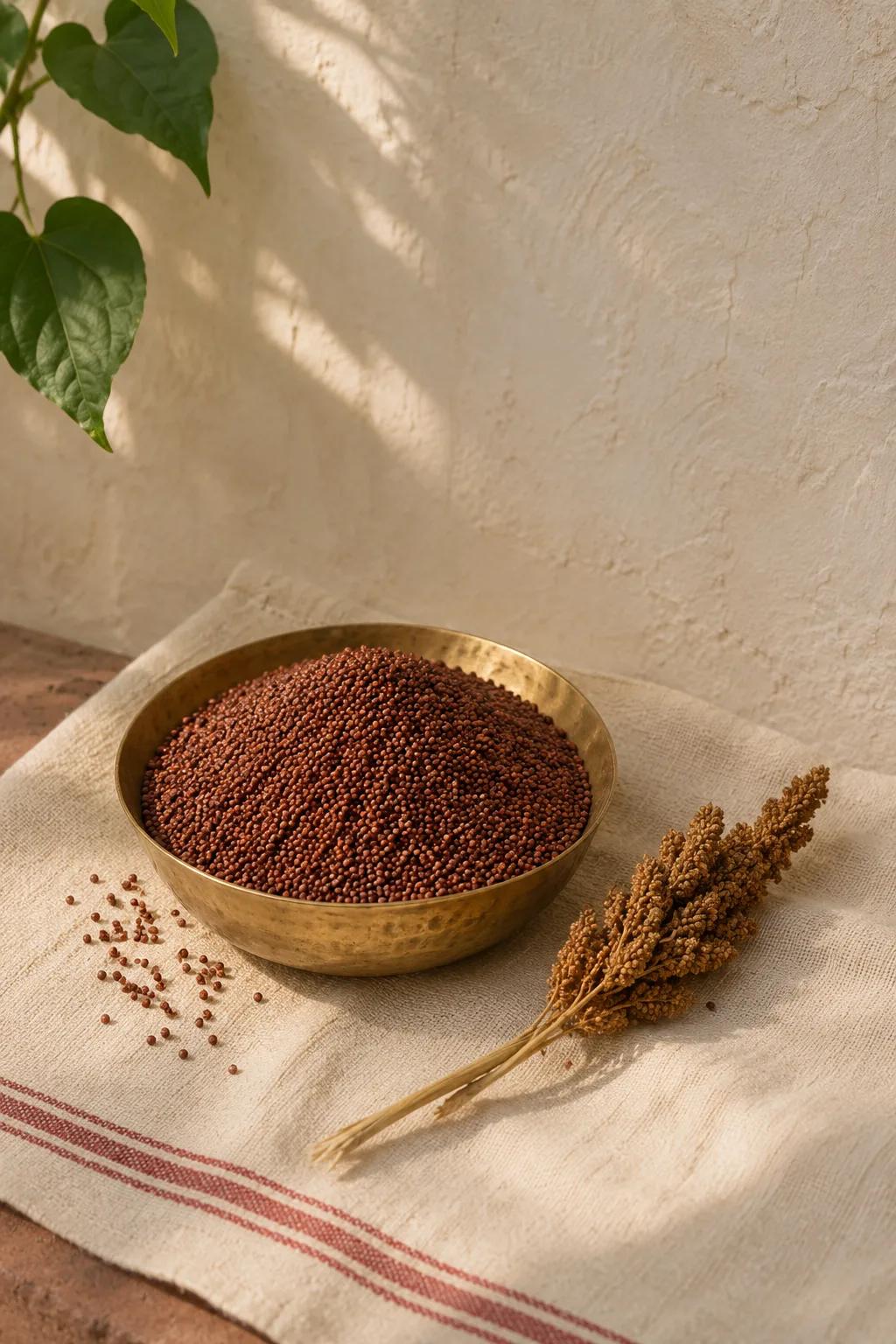
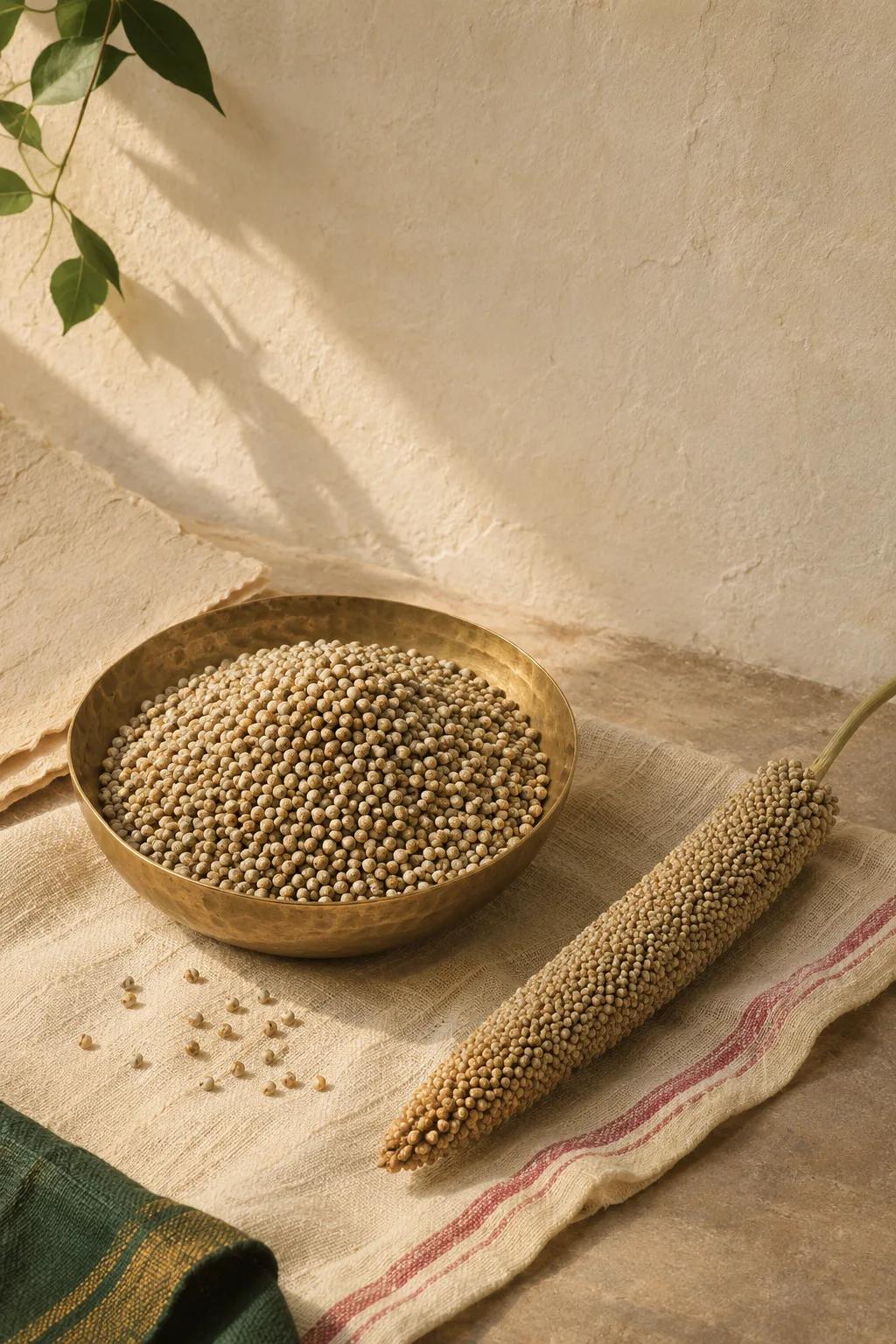
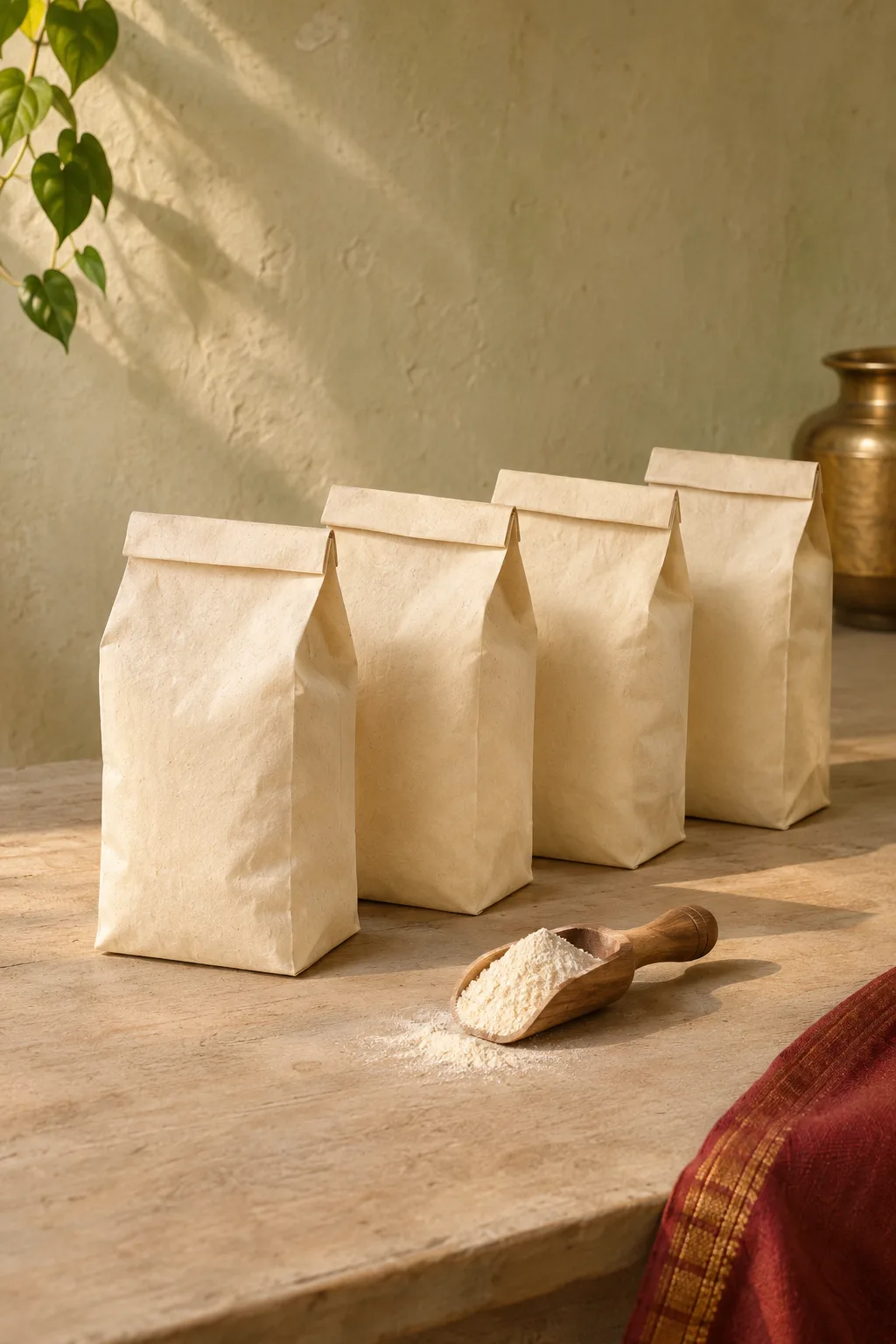
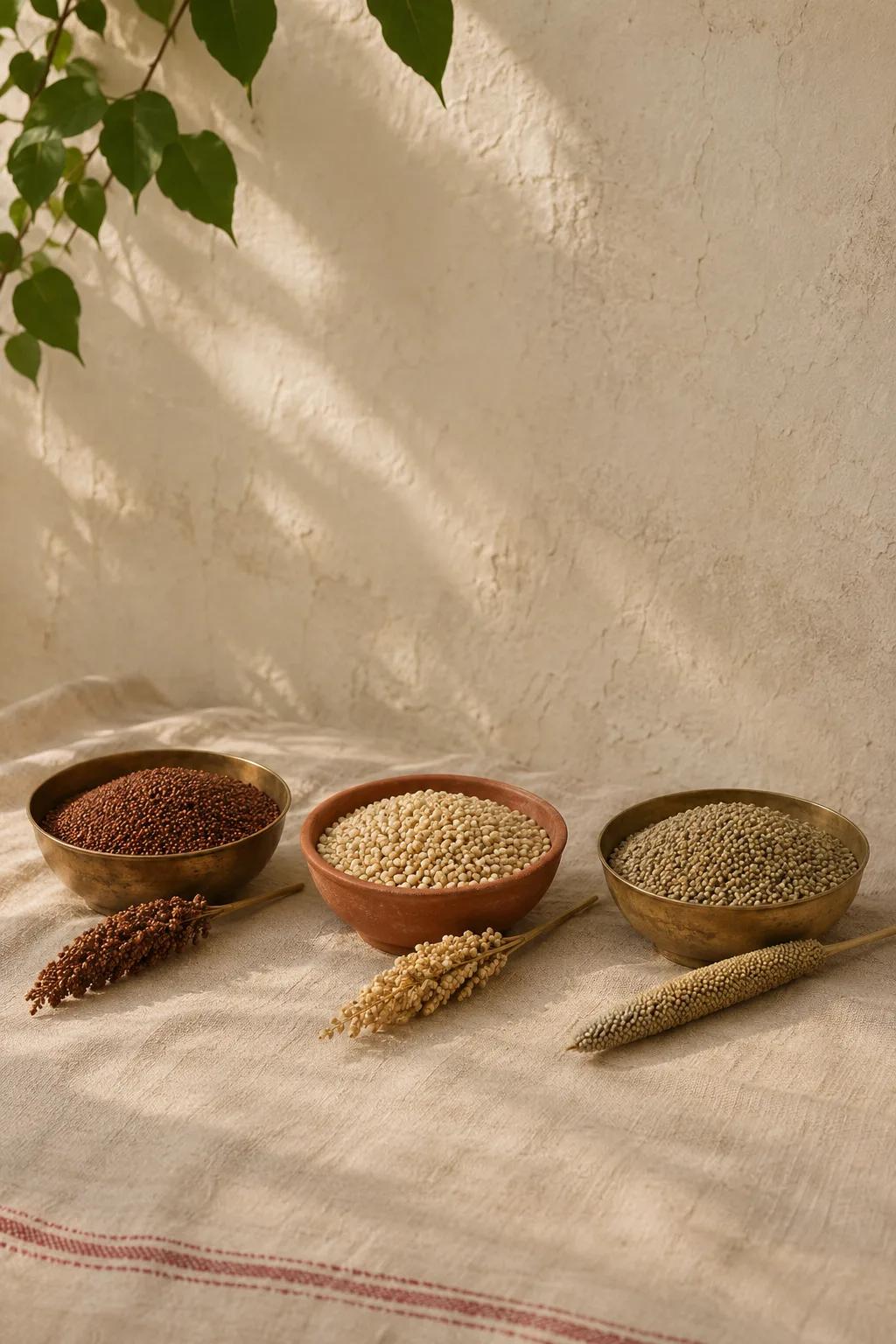
Flour has more surface and keeps less long than whole grain. Buy ragi, jowar or bajra flour in the pack size you will finish soon, keep the bag closed, and avoid damp. If you need long storage, buying whole grain and milling as you go is an option.
Whole grains and pulses
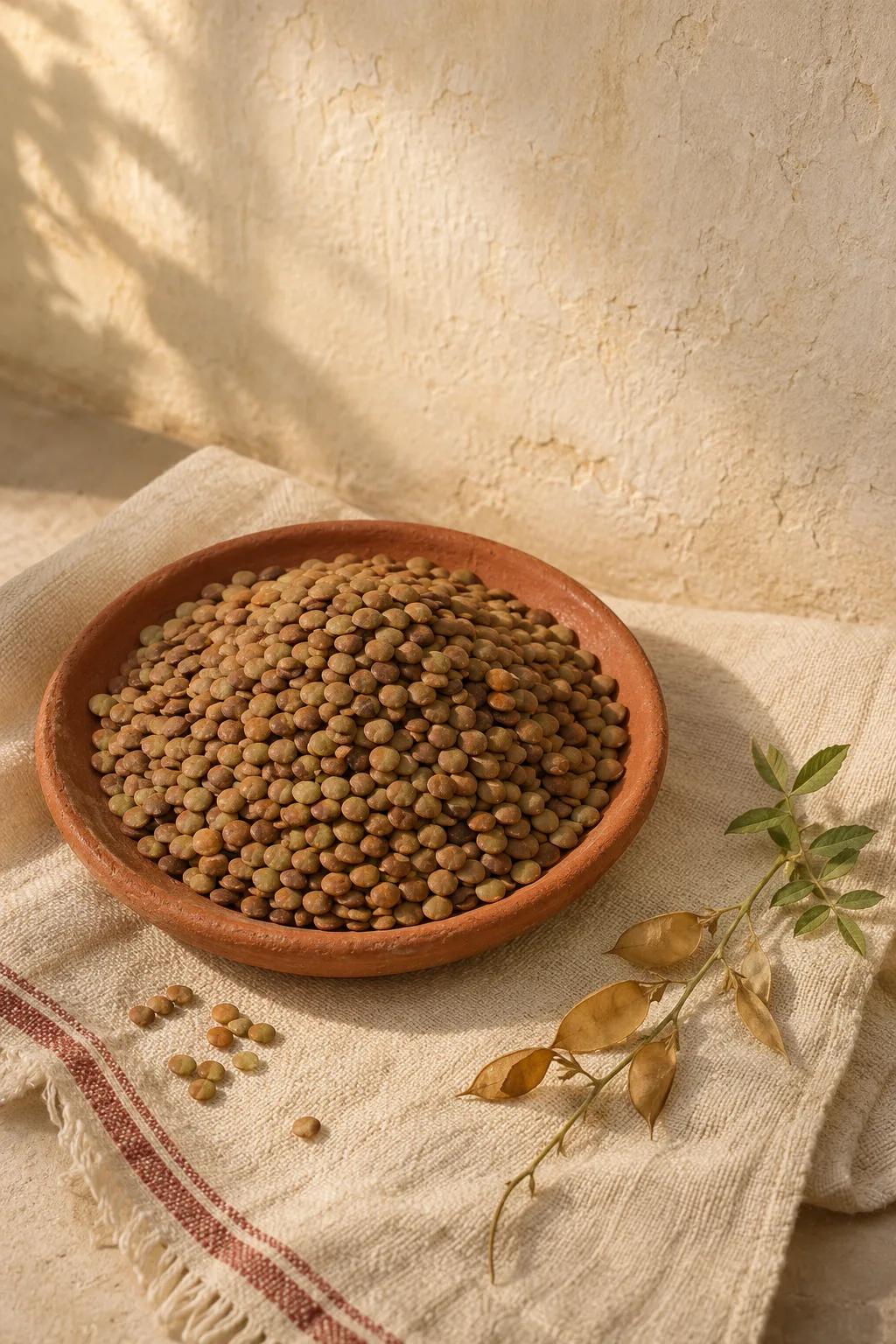
Whole grains and pulses store best when they are dry and clean. Check them from time to time for moisture, mould, a musty smell or insect damage, and move any affected sacks away from the rest.
Oils
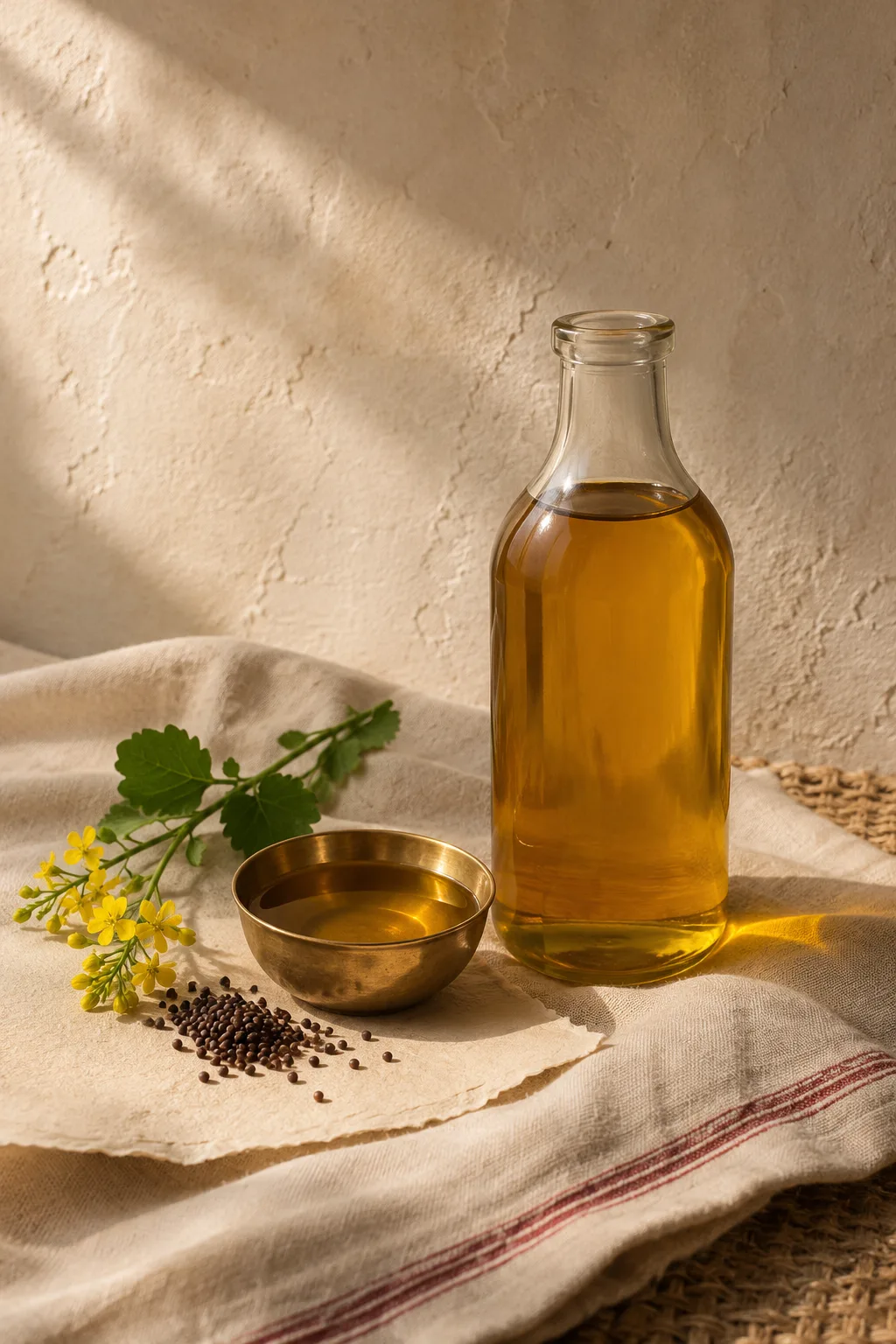
Keep oil in a cool, dark place, in a closed container, away from heat and direct sun. Flaxseed oil is more delicate than mustard or sesame oil: keep it cool and use it soon after opening. See sesame and flaxseed oil.
Count the sacks and check the pack size against the invoice.
Look for torn, wet or stained bags.
Open one and check smell, colour and cleanliness.
Note any problem on the delivery receipt and tell the supplier straight away, with photographs.
Questions people ask
How long does flour keep?+
It depends on the grain, the pack and how it is stored, so there is no single answer. Store it cool, dry and closed, and buy the pack size you will use soon.
Should I refrigerate flour?+
It is not required for most kitchens, but a cool, dry store is. In hot, humid weather a cooler room helps.
 TM