How to source grains for a D2C food brand: FPO, mandi or trader
By Sanjeet Kumar, Executive Director, BKFPCL · Updated · 3 min read
Key takeaways
A new food brand can buy grain from a farmer, a mandi or aggregator, a trader or stockist, or a farmer producer company. Each trades price, trust and consistency differently.
A brand needs the same quality every time, a lot number it can trace and an invoice it can show to an auditor. Price comes after those three.
A farmer producer company such as Barahiya Krishi Fed Producer Company Limited sells in its own name, from its members’ crops, with documents. It is best for brands that plan ahead and want a story they can prove.
Buy a small sample from two or three sources, test them side by side and place the pilot order with the one that is both good and repeatable.
What a food brand needs from a grain supplier
A home cook buys grain once. A brand buys it again and again, and a customer notices if the second bag is not like the first. So judge a supplier on three things before price.
Consistency: the same variety, the same cleaning and, for flour, the same fineness each time.
Traceability: a lot number on the bag that leads back to a place and a date.
Paper: a tax invoice, company registration and, when you ask, a lab report for the lot.
The four sources compared
No source is right for every brand. This table shows the trade-offs in plain terms.
Source
Good at
Weak at
Best for
Farmer directly
Lowest middle cost, a real farm story
Small lots, no paper trail, no cleaning or milling, hard to repeat
A tiny local brand
Mandi or aggregator
Large volume, spot price, quick
Mixed lots, little traceability, quality varies by day
A brand with its own cleaning and testing
Trader or stockist
Ready stock, many products, credit
The origin is often unknown, and a margin sits at every step
A brand that needs a product this week
Farmer producer company
Known origin, one invoice, a farmer-owned story, direct contact
Little ready stock, so you must allow lead time and plan ahead
A brand that wants consistency and a story it can prove
Why a farmer producer company suits a new brand
A farmer producer company is owned by the farmers who grow the crop. Barahiya Krishi Fed Producer Company Limited has 750 farmer shareholders in 14 villages of Barahiya block, Lakhisarai, Bihar. You deal with one company, one invoice and one team that can name the villages the grain came from.
There is a cost. We source each order from scratch and keep little stock, so you cannot buy off the shelf. Allow lead time and place orders early. The gain is that your lot is sourced for your order, not drawn from old stock.
What to buy: grain, flour or a packed product
You can buy at three stages. Whole grain is the cheapest to store and keeps longest, but you need a mill. Flour is ready to pack, which suits most new brands, but it ages faster. A packed product in your label is the least work for you and the most money up front.
Do not decide from a price list. Run a small test.
Ask each source for the same product, the same form and a sample of at least a few kilos.
Smell and look at each sample. Fresh flour smells clean. A sour or musty smell is a warning.
Cook the same recipe with each, in the same pan, on the same day.
Ask each source for a lab report and the lot number of the sample.
Repeat the order of one or two sources a month later and compare the new lot with the first.
Where the quality risks are
Most grain problems are boring ones: moisture that is too high, stones and dust that were not cleaned out, flour that was milled long before it was packed, and bags stored on a damp floor. None of these show on a price list.
If you plan to sell abroad, say so at the start. Export needs bigger lots, tighter paperwork and often a different pack. We look at export enquiries when the quantity is decent. You will need an Importer Exporter Code from DGFT and, for most agricultural products, registration with the export promotion body. Check the current steps with DGFT and APEDA, and the label rules of the country you sell to.
How we work with brands
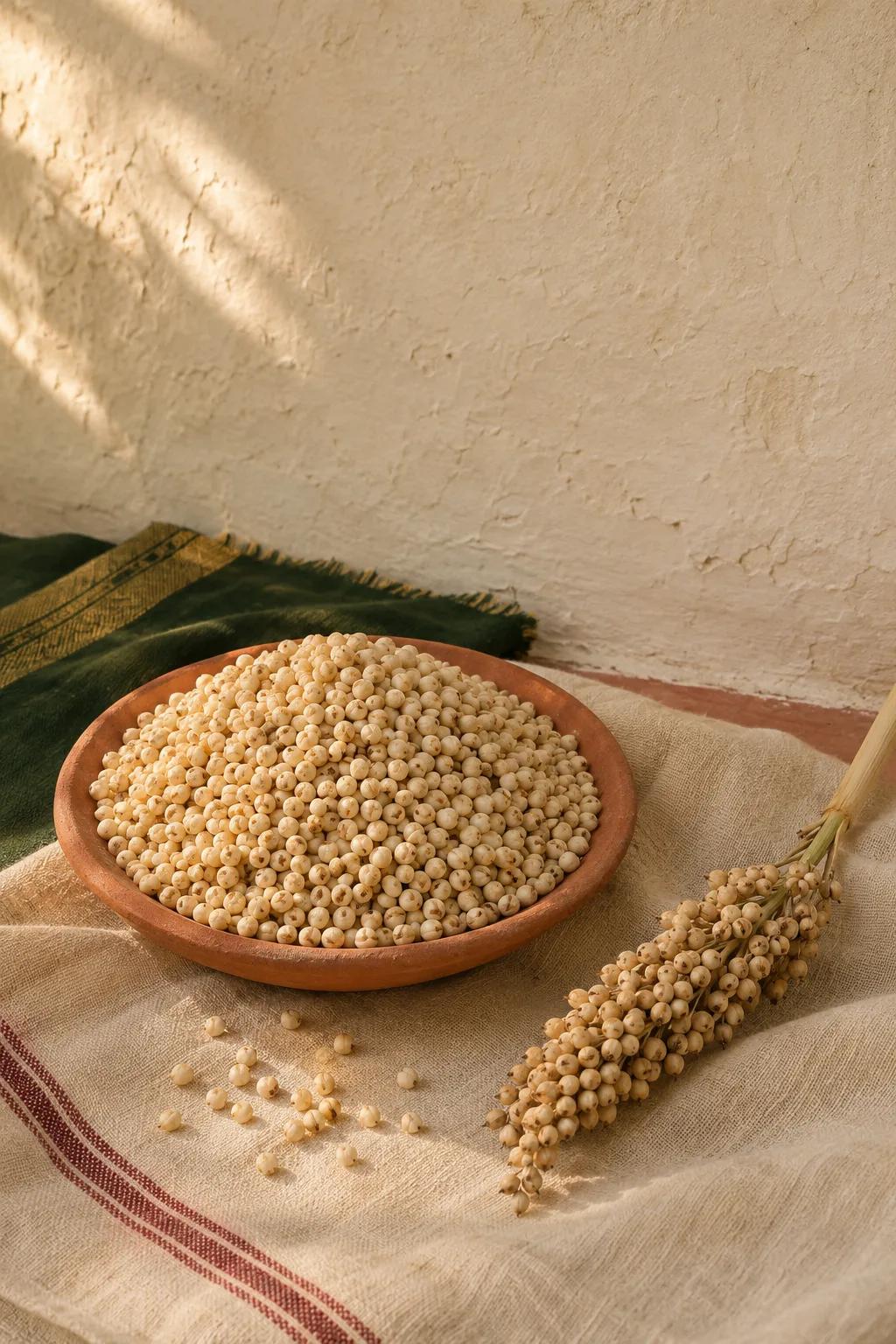
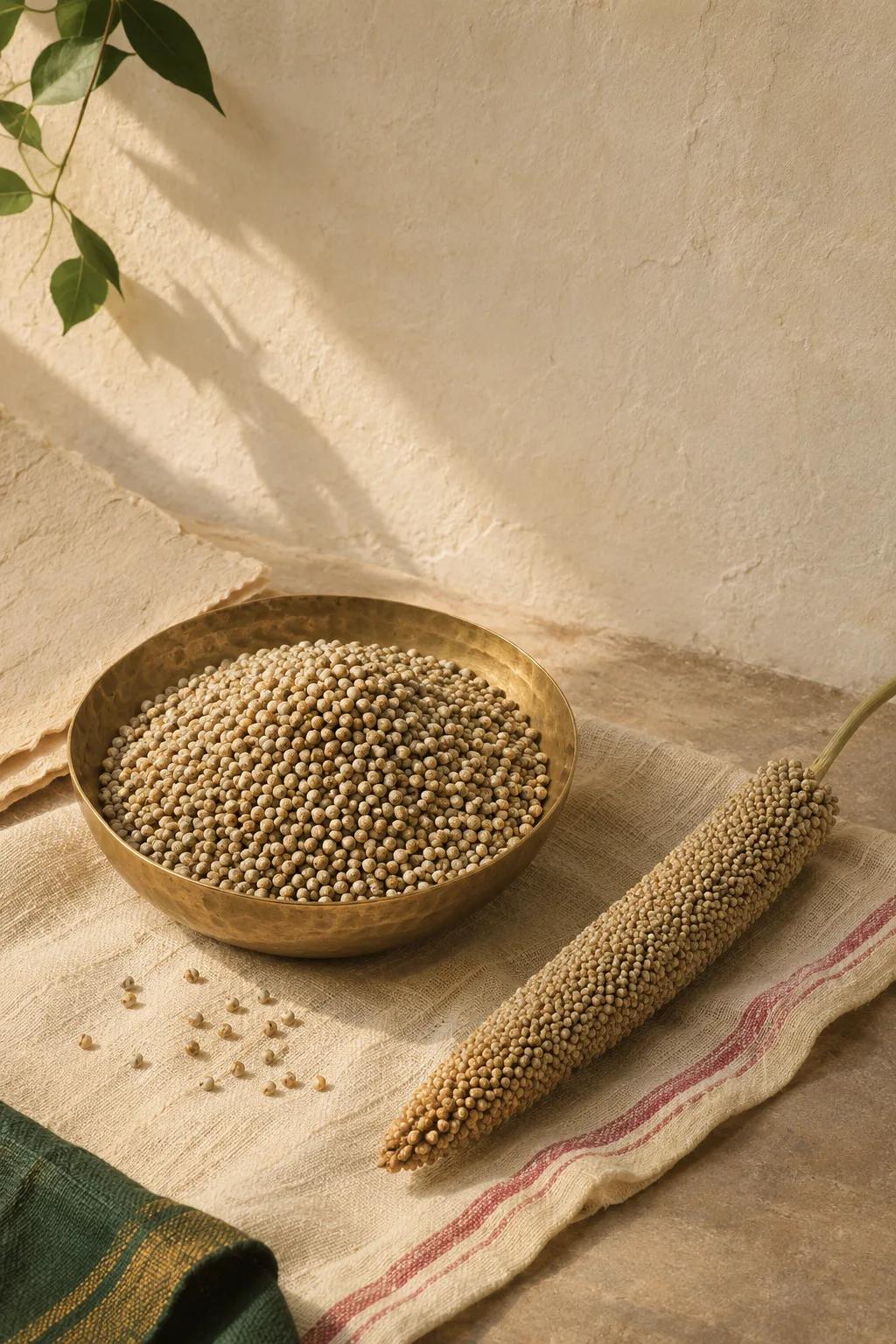
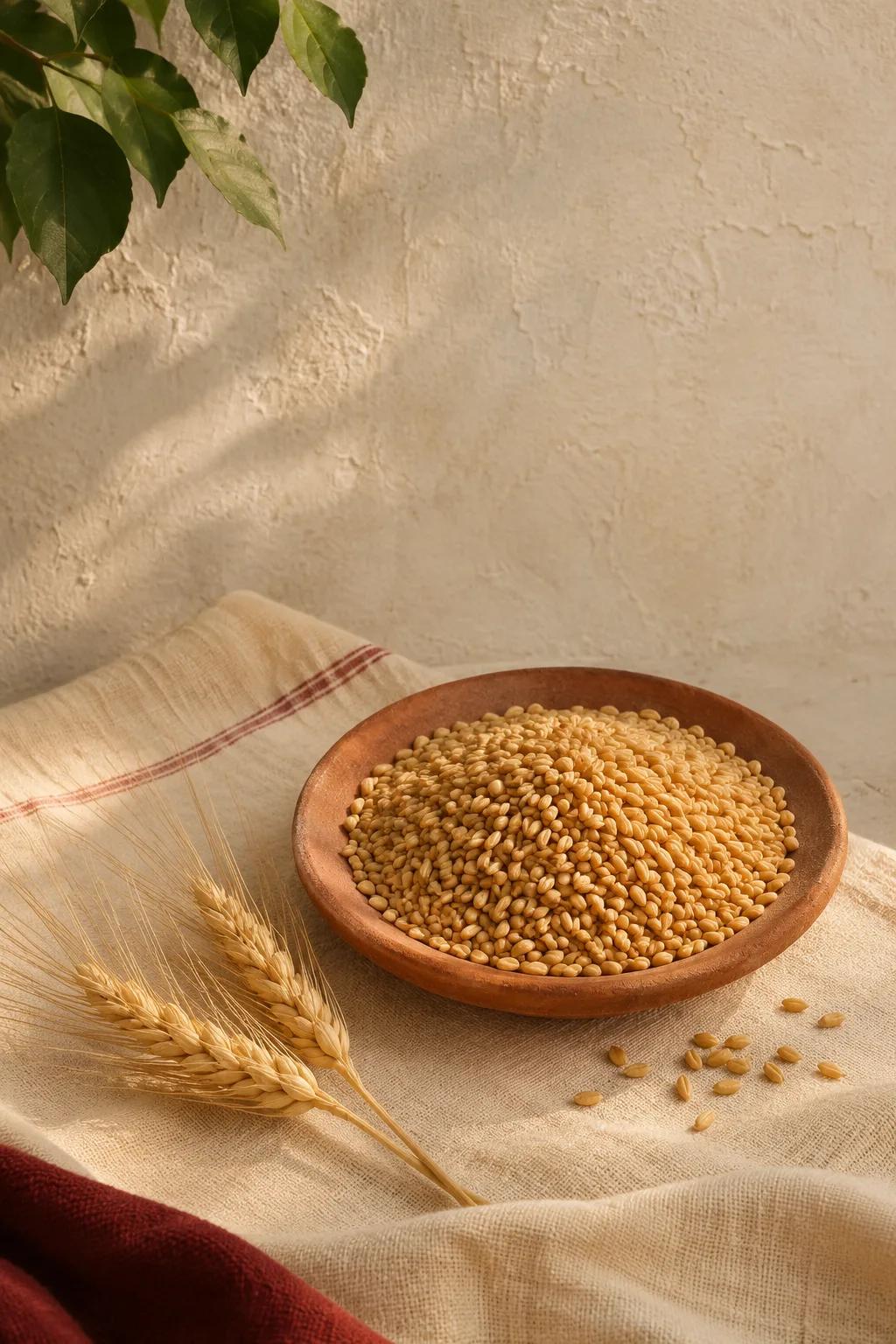
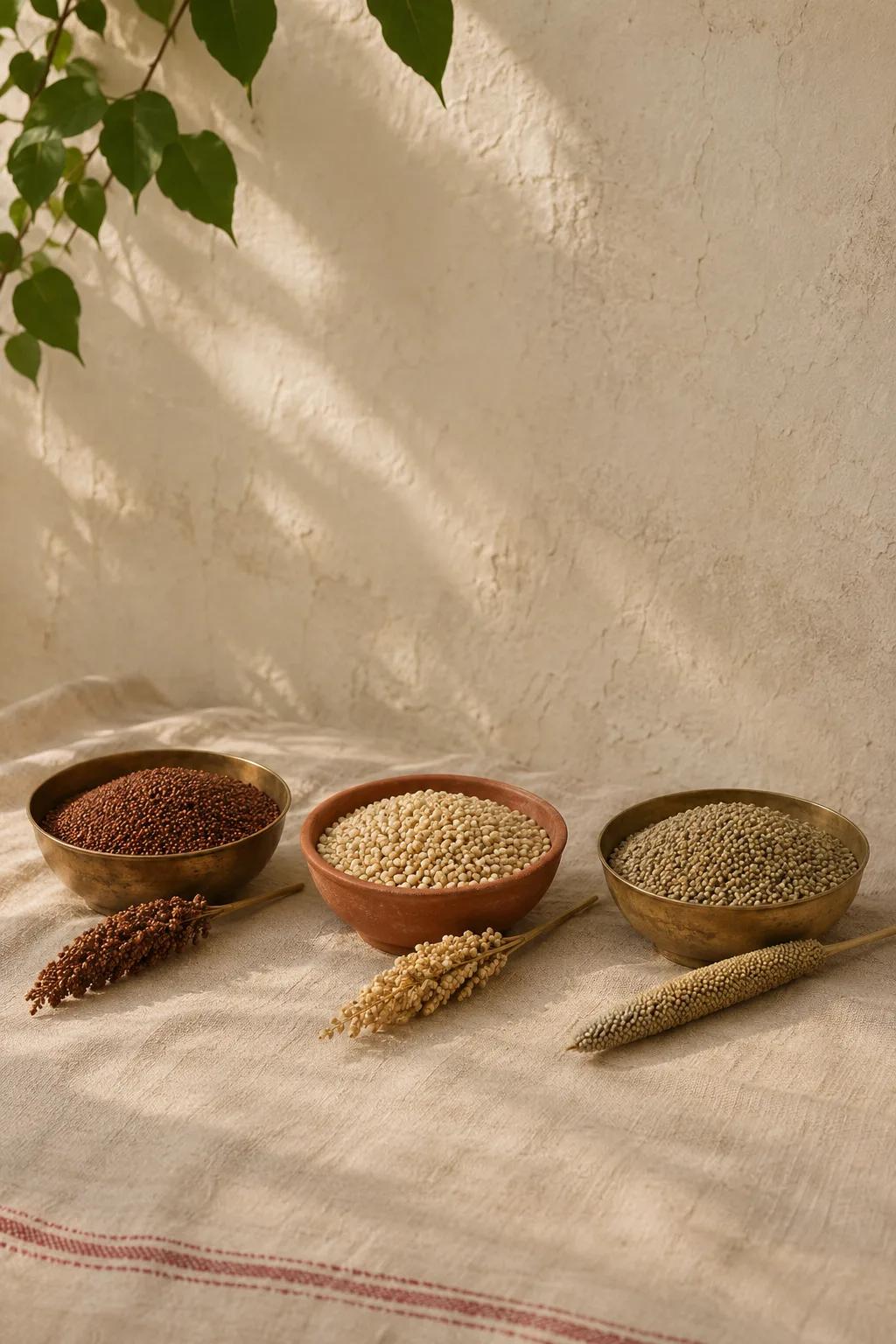
Barahiya Krishi Fed Producer Company Limited supplies ragi, jowar and bajra, Sona Moti wheat and pulses in bulk, packs them under your label and can blend to your recipe. The minimum order for a new custom pack is ₹5 lakh. If you take Grain Sutra packs or bulk packing, it can be lower and is agreed on a call.
From farmers, mandis and aggregators, traders and stockists, and farmer producer companies. New brands that want a traceable, consistent supply and a provable origin story often choose a producer company. See how to buy millet flour in bulk.
Is it cheaper to buy from a mandi?+
The spot price may be lower, but you often pay in other ways: mixed quality, no lot number, extra cleaning and no paper trail. Compare the cost of a good finished bag, not only the price of a quintal.
Can a small brand buy from a farmer producer company?+
Yes. Ask for a sample and a call. Our minimum order for a new custom pack is ₹5 lakh. If you take Grain Sutra packs or bulk packing, it can be lower and is agreed on a call.
Which grains do you supply to brands?+
Ragi, jowar and bajra as flour or whole grain, Sona Moti wheat, and masoor, chana, toor and matar pulses. See the product list.
 TM