How to start a millet food brand in India: sourcing to first sale
By Sanjeet Kumar, Executive Director, BKFPCL · Updated · 5 min read
Key takeaways
You can start a millet or grain food brand without a factory: a supplier grows or buys the grain, mills and packs it, and you own the brand, the label and the customer.
The order of work is: one product, one buyer, a supplier, a food licence, a pilot batch, a cost sheet, a pack and a place to sell.
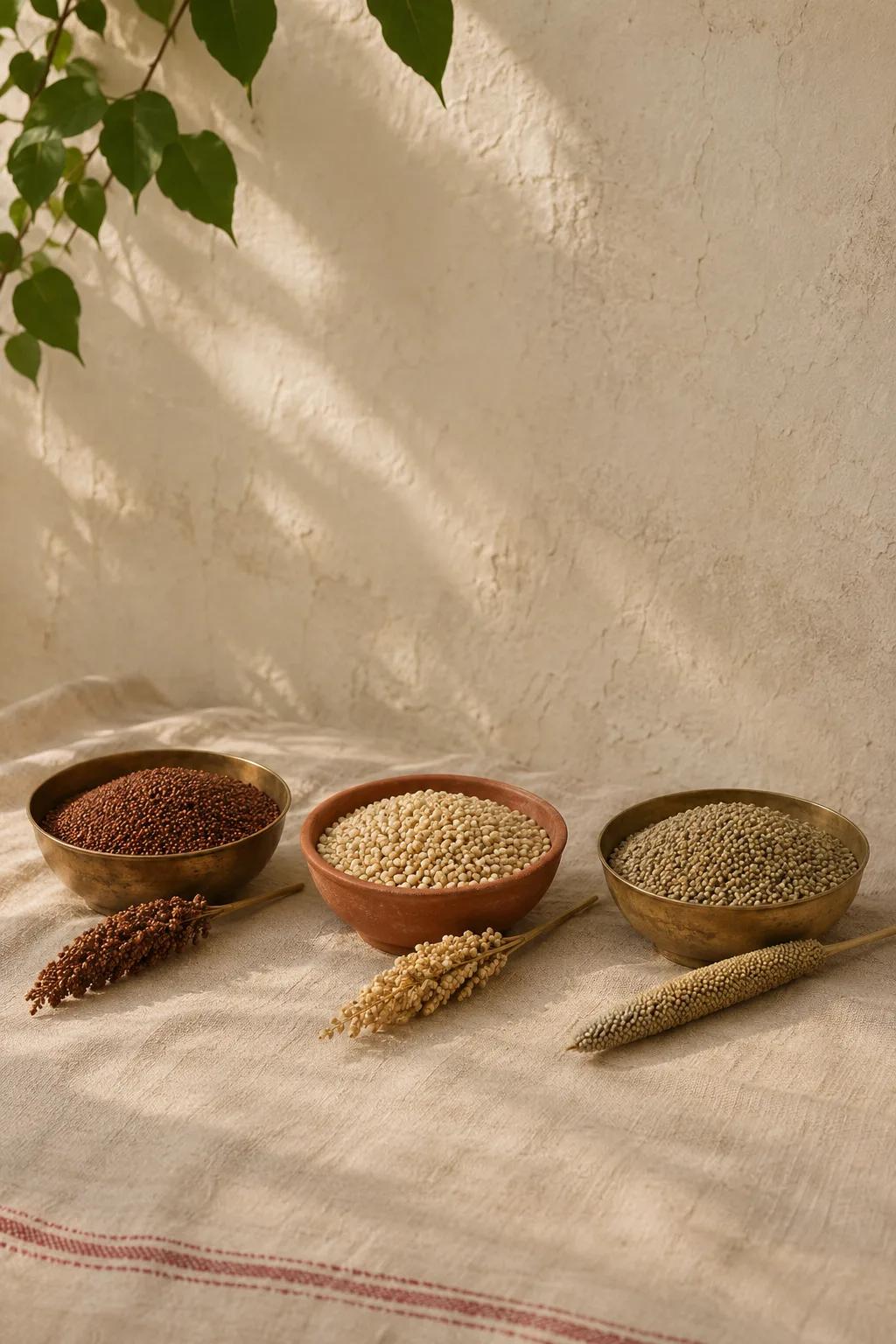
Barahiya Krishi Fed Producer Company Limited (BKFPCL) supplies ragi, jowar and bajra flour and grain, Sona Moti wheat and pulses in bulk, packs them under your label and can blend to your recipe.
The minimum order for a new custom pack is ₹5 lakh. If you take Grain Sutra packs or bulk packing, it can be lower and is agreed on a call.
The short answer
A food brand is a name, a recipe, a pack and a promise. A farmer producer company, a mill or a co-packer can make the product. You do the part that is hard to hire: pick the customer, shape the product and earn trust.
The United Nations declared 2023 the International Year of Millets, and since then shelves, menus and feeds have carried more millet products than before. That makes it easy to start and harder to stand out. A new brand wins on a clear product, an honest label and a supplier that sends the same quality every time.
Follow these eight steps in order. Each one links to a longer guide.
One product, one buyer. Choose a single product and say who buys it and why.
New founders often plan six products. Plan one. A single product with a clear buyer is cheaper to source, easier to explain and quicker to test.
Write one sentence: “[Product] for [buyer] who wants [result].” For example: ragi flour for new mothers who want a calcium-rich porridge base, or jowar atta for families who want a softer everyday roti. Do not claim a medical result. Describe the use, not a cure.
You have three routes. In white label, you sell a product the supplier already makes, in your pack. In private label, the supplier makes it to your specification, such as a blend or a finer mesh. In contract manufacturing, you own the recipe and a factory makes it for you.
Most first-time founders should start with white label or private label on one product. It needs the least money and the least paperwork. The full comparison is in white label, private label or contract manufacturing.
Step 3: find a supplier you can repeat
The first batch is easy. The fifth batch shows whether the supplier is good. Look for the same variety, the same cleaning, the same mesh and a lot number you can trace.
A farmer producer company is one option. Barahiya Krishi Fed Producer Company Limited is owned by 750 farmer shareholders in 14 villages, so you deal with the growers’ own company. Why buy from a farmer producer organisation explains what that means for you, and what it does not.
Step 4: sort out the licence and the label
The brand owner’s name, address, FSSAI logo and licence number go on the pack, even when someone else makes it. That means you need your own food registration or licence before you sell. Do this early, because it takes time and your label cannot be final without it.
A pilot is a small first order that tests the product, the pack and the price on real customers. It lowers the risk of a large order you cannot sell.
Our minimum order for a new custom pack is ₹5 lakh. If you take Grain Sutra packs or bulk packing, the minimum can be lower and is agreed on a call. See pilot batches and minimum orders for how to choose between them.
Steps 6 and 7: cost it and pack it
Price from the bottom up. Add the grain, milling, packing, freight, tax, platform fee and returns, then your margin. How to cost your first grain product gives a worked example with made-up numbers you can replace with your own.
Buyers like to know where food comes from. That is a strength for a brand built on farmer-owned supply, but only if every claim is true. Do not write “organic”, “gluten-free certified” or “lab tested” unless you hold the paper that proves it.
This is a planning aid, not a promise. Real timings depend on your licence, your label design and the season.
Weeks
What you do
What you need at the end
1 to 2
Choose the product and buyer. Order samples of flour or grain.
A one-line product idea and two or three samples
2 to 4
Apply for your food registration or licence. Test the samples in your own kitchen.
An application number and a chosen supplier
4 to 6
Fix the recipe or blend. Agree the spec sheet and the pack.
A signed-off spec sheet
5 to 8
Design the label. Check it against the label rules.
A label ready for print
8 to 10
Place the pilot order. Approve the first packed sample.
Packed stock with lot numbers
10 to 12
Photograph, list and sell to your first customers.
Your first orders and your first reviews
How we work with brands
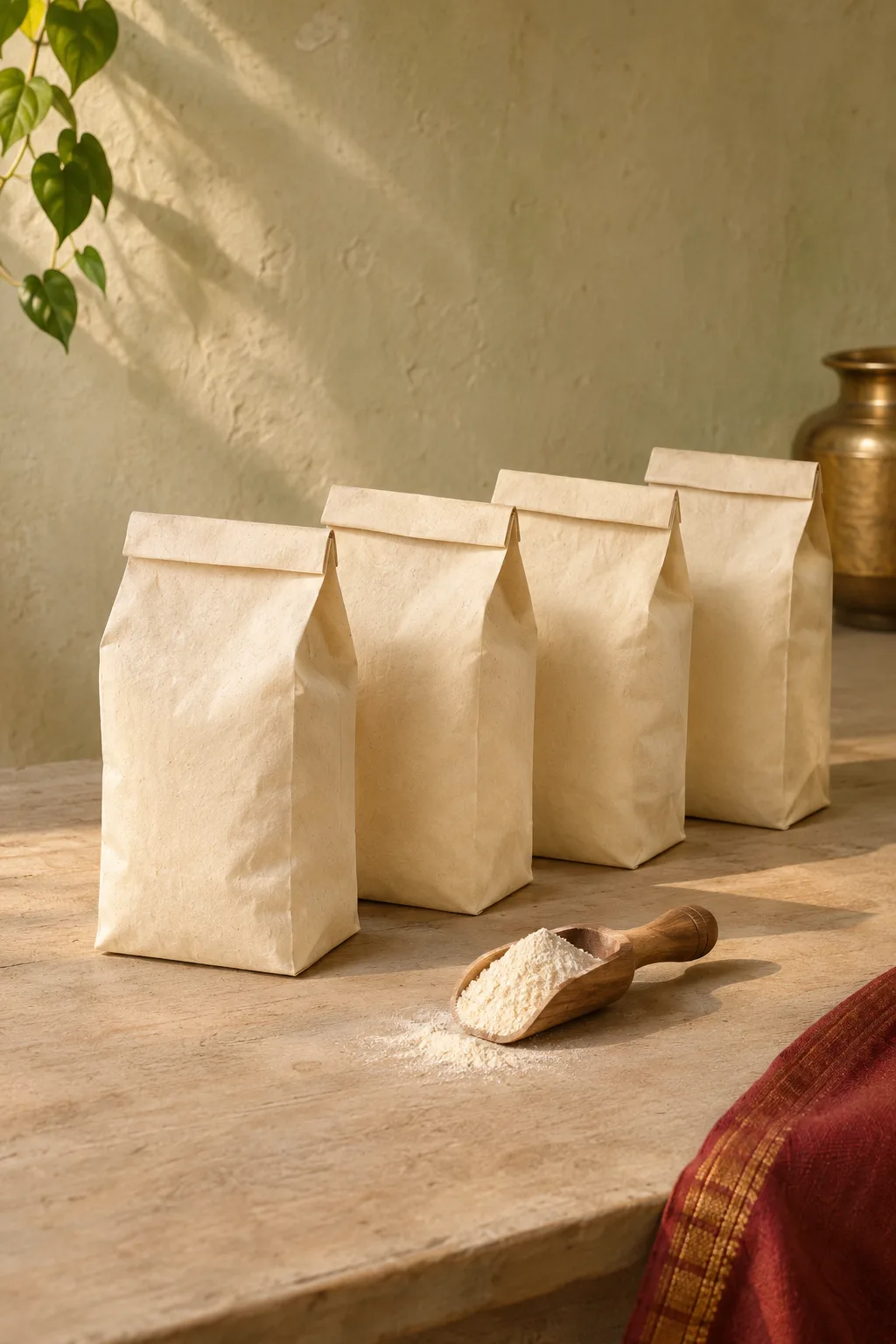
Barahiya Krishi Fed Producer Company Limited supplies ragi, jowar and bajra as flour or whole grain, Sona Moti wheat and pulses in 5, 10, 15, 20 and 40 kg packs. We can pack them under your label, blend to your recipe and introduce partners for finished products such as cookies and mixes.
The minimum order for a new custom pack is ₹5 lakh. If you take Grain Sutra packs or bulk packing, it can be lower and is agreed on a call. We also look at export enquiries when the quantity is decent.
Yes. Many brands start with a supplier who grows, mills and packs the product. You own the brand, the label and the customer. You still need your own FSSAI registration or licence, and the label must carry your name and licence number. See white label, private label or contract manufacturing.
How much money do I need to start?+
It depends on the product, the pack and how many customers you can reach. The main costs are the first order, label design and print, licence fees, testing and marketing. Our minimum order for a new custom pack is ₹5 lakh. It can be lower if you take Grain Sutra packs or bulk packing. Read how to cost your first grain product.
Do I need an FSSAI licence for a small brand?+
You need an FSSAI registration or licence. From 1 April 2026, a food business with turnover up to ₹1.5 crore needs a registration, above ₹1.5 crore and up to ₹50 crore a state licence, and above ₹50 crore a central licence. Some activities, such as import, need a central licence at any turnover. Check with your state authority. See FSSAI and label rules.
Which millet should I start with?+
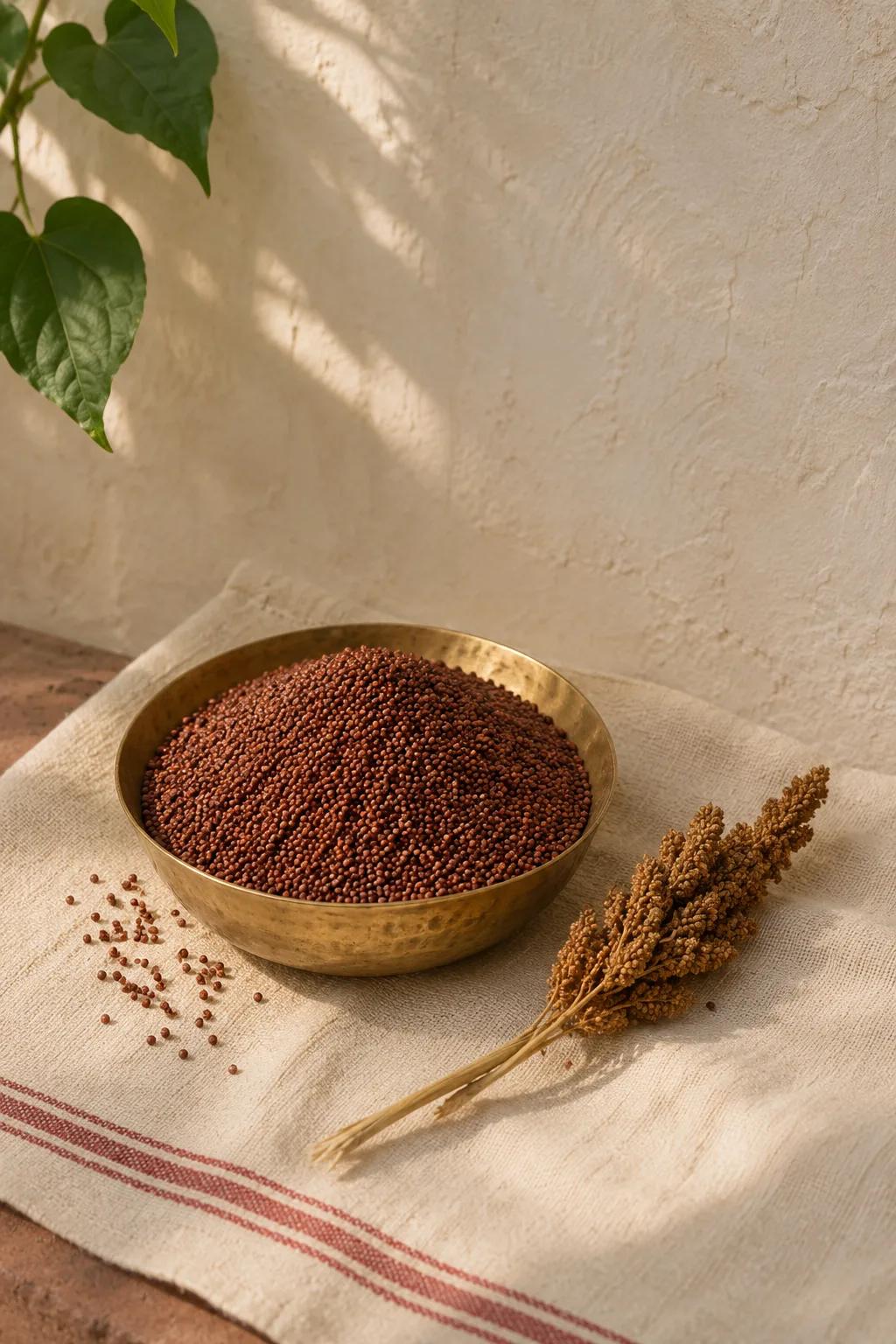
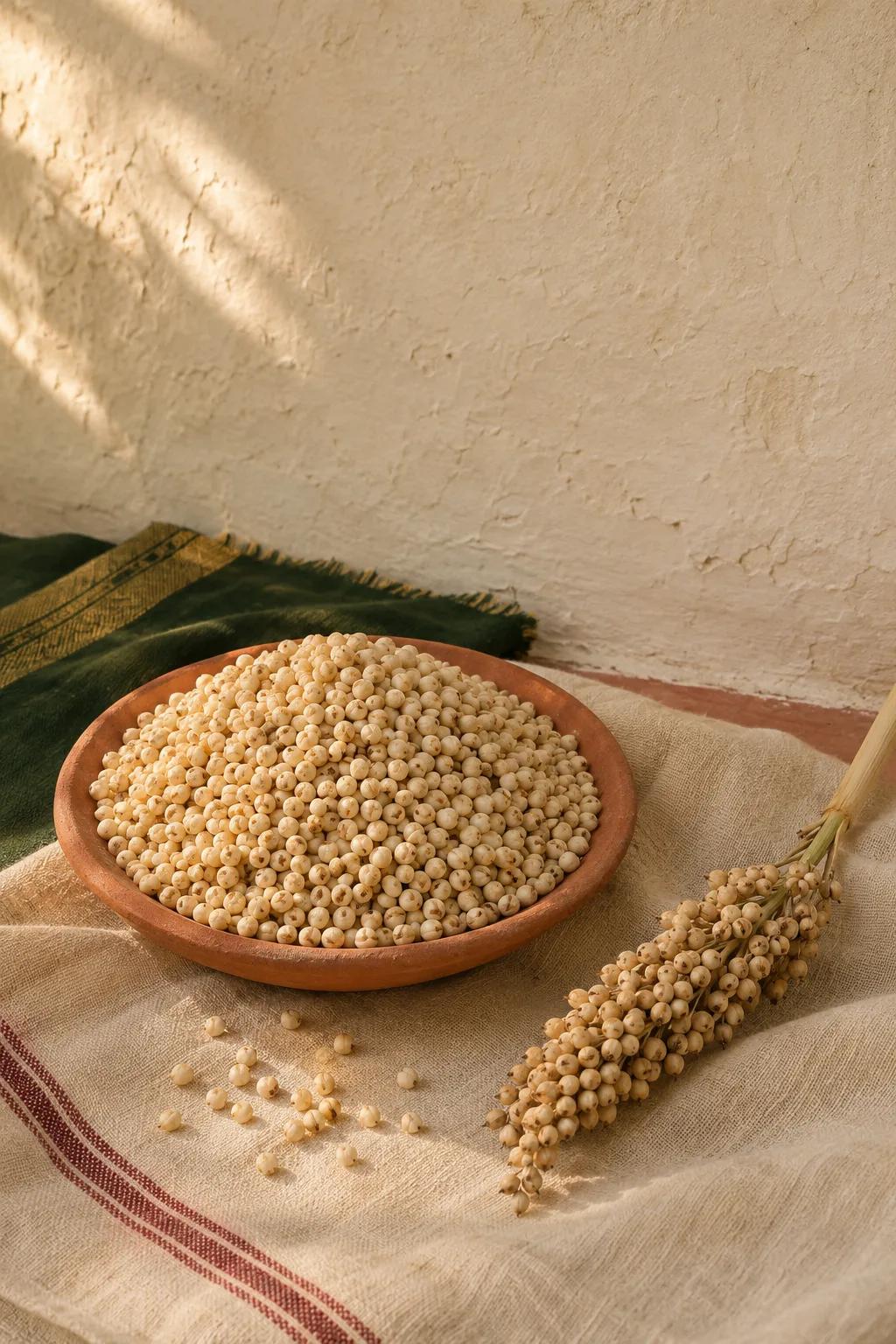
Start with the one that matches your buyer. Ragi suits porridge, malt and baking. Jowar suits rotis and bakery blends. Bajra suits winter foods and khichdi. Read which millet for which use.
Can you supply export orders?+
We look at export enquiries when the quantity is decent. Send the product, quantity and destination in a request for quote or call us. You will need an Importer Exporter Code and, for most agri exports, registration with the export promotion body. Check the current steps with DGFT and APEDA before you ship.
 TM